Selecting the Perfect Cladding for Your Toronto Ontario Home
Choosing the right siding for your home in Ontario is a important decision that impacts both the appearance and functionality of your property. With the distinct climate challenges in SW Ontario, especially the freeze-thaw cycles during the winter season, it's essential to opt for materials that can tolerate these conditions while enhancing your home's curb appeal. From historic districts like the Wortley area to new neighborhoods, the options for siding replacement are as diverse as the houses themselves.
As you navigate the world of siding materials, you'll come across choices including vinyl, cement board, to manufactured wood and aluminum siding. Every option has its advantages and considerations, especially when it comes to energy efficiency, durability, and maintenance needs. This guide will guide you through the key factors to think about when replacing your siding, which include costs, installation timelines, and the significance of proper house wrap and insulation. Whether you are updating a historic home or updating a newer space, understanding the nuances will help you make an wise decision that protects your financial commitment and enhances your property's value.
Effect of Thermal expansion Patterns on Exterior Cladding
The frost cycles prevalent in Southwestern Ontario significantly influence the durability and longevity of residential siding. As temps vary, moisture infiltrates the cladding and expands when frozen, resulting in stress and potential cracking. London Siding Co. can lead to compromised structural integrity over time, especially for materials not built to handle such conditions. Homeowners must be cognizant of these impacts when selecting siding options for their properties.
Certain siding types are naturally more tolerant to freeze-thaw damage than their counterparts. For instance, fiber cement siding, known for its durability, can withstand these temperature changes better than traditional wood siding, which may expand and contract, resulting in warping or rot. Knowing how different types respond to climate challenges can guide informed choices, ensuring that homes stay protected throughout the severe Canadian climate.
Regular maintenance and evaluations are important in reducing the effects of freeze-thaw cycles. Homeowners ought to be proactive in identifying early signs of damage, such as fissures or gaps in the siding. By tackling these issues promptly, homeowners can prolong the duration of their siding and maintain the home's overall efficiency, ultimately saving on costly repairs and enhancing the property's value.
Comparing Siding Materials: James Hardie vs. Vinyl Siding
When considering siding options for homes in London, Ontario, two popular materials often stand out: James Hardie siding and vinyl siding. Hardie Board, a fiber-cement product, is renowned for its long-lasting nature and ability to withstand to the harsh weather conditions characteristic of Southwestern Ontario, such as freeze-thaw cycles that can wreak havoc on exterior surfaces. This material naturally fights against pests, fire, and rot, making it a wise long-term investment for homeowners who prioritize performance and longevity.
On the other hand, vinyl offers a cost-effective solution that has been a popular choice among many London homeowners for a long time. Vinyl is lightweight, easy to install, and requires minimal maintenance compared to other materials. It offers a wide range of colors and styles, allowing for aesthetic flexibility. However, it can be vulnerable to fading and damage from extreme weather conditions and impacts, which can be a concern in an area known for its brutal winter conditions.
Ultimately, the choice between Hardie Board and vinyl depends on multiple considerations, including financial limitations, desired look, and how much maintenance a homeowner is prepared to do. While Hardie Board excels in providing durability and resistance to the elements, vinyl siding offers an affordable and adaptable option. Proper evaluation of these materials in the context of London's climate and individual home styles will ensure homeowners make an informed decision that suits their needs.
Prices and Considerations for Siding Replacement
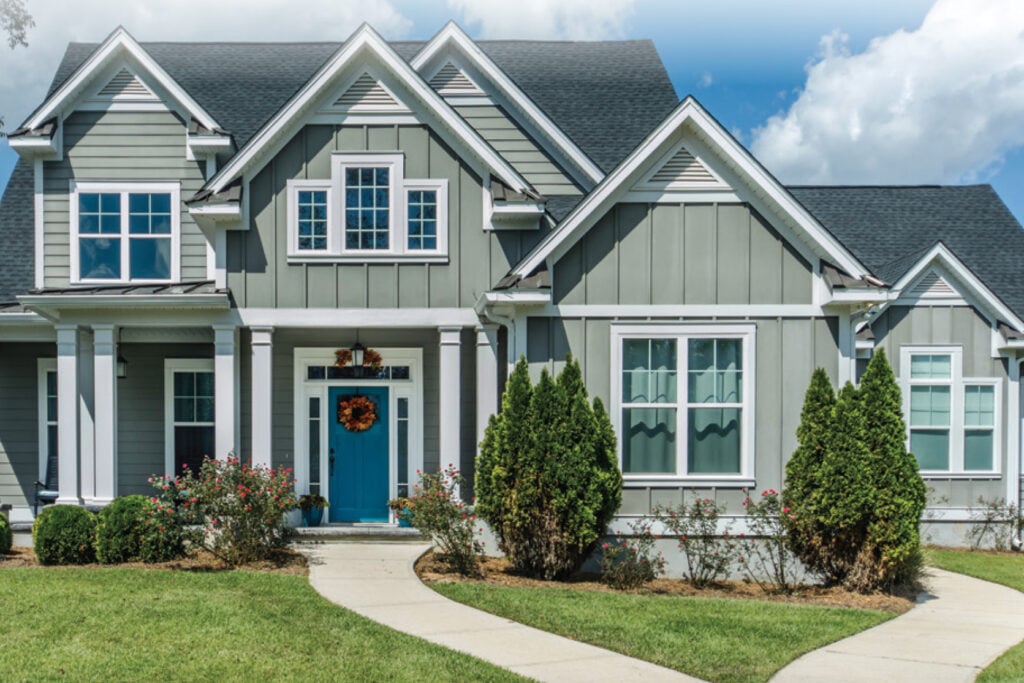
When considering a siding replacement in Toronto, comprehending the financial aspects is vital for residents. The total price can differ significantly based on factors such as the siding type selected, the home's size, and the complexity of the installation. Typically, property owners should prepare to spend anywhere from $8,000 to $20,000, with top-quality materials like fiber cement often being pricier than vinyl. It is advisable to get multiple quotes from licensed and credentialed professionals to guarantee a competitive price and quality service.
Besides the initial cost, there are crucial factors to remember. The long-term value of the chosen material should be evaluated, including its care necessities, durability in Southwestern Ontario's freeze-thaw cycles, and effects on energy efficiency. Insulated siding, for illustration, may require a higher initial cost but could result in considerable financial benefits on energy costs over time. Property owners should consider visual appeal with practical benefits, considering how different materials impact the home's overall performance.
Finally, homeowners must think about the wider effects of siding renovation. This includes following any local historic preservation district regulations, particularly in neighborhoods like Wortley Village where maintaining historical character is crucial. Additionally, investing in top-notch materials and expert installation not only boosts visual attractiveness but can also increase the value of the property across the Greater London area. As such, weighing costs against long-term benefits and compliance requirements will result in a more informed decision.